Choosing a provider for Botox is less about finding the lowest price and more about finding the right clinician for your face, your goals, and your risk tolerance. I have sat across from first timers with knitted brows and expert users with spreadsheets of past dosages. The best consultations feel like a calm, detailed conversation where you leave understanding how Botox works, what it can and cannot do, what it costs, who is injecting you, and how to judge the results. If you walk out with lingering guesswork on any of those, keep shopping.
What you should expect from a proper Botox consultation
A strong Botox consultation has three pillars: a precise assessment of your anatomy and expression patterns, a frank discussion of dose and strategy, and a plan for aftercare and follow up. The anatomy piece is where real expertise shows. An experienced injector watches your face at rest and in motion, not just in perfect lighting and not just straight on. You might be asked to frown, raise the brows, smile wide, squint, flare the nostrils, purse the lips, jut the jaw, and tilt your head. They should palpate the frontalis, glabella, and orbicularis oculi, and, when relevant, masseter and platysma bands. They are mapping vectors of pull and noting asymmetries: one brow that sits lower, a sharper forehead crease on the dominant side, a smile that tugs more on the left.
You should hear where Botox can help and where it is the wrong tool. Botox treatment softens dynamic lines caused by muscle movement, such as forehead lines, frown lines, and crow’s feet around eyes. It can also be used strategically for a subtle brow lift, bunny lines at the nose, a gummy smile, a lip flip, chin dimpling, and downturned mouth corners. It does not fill volume loss, so deep static folds or hollowing need filler or other modalities. A thoughtful injector will explain those limits, sometimes with the help of mirror and finger placement so you can feel the difference between relaxing a pull and filling a valley.
When dose comes up, look for specificity. Vague promises lead to vague outcomes. Dose is measured in units. For upper face rejuvenation, common ranges run roughly 8 to 20 units for the frown complex, 6 to 20 units for the forehead, and 6 to 18 units per side for crow’s feet. These are not recipes, they are starting points that shift with muscle bulk, gender, metabolism, and the result you want. Many men need higher doses because their frontalis and corrugator muscles are thicker, but there are plenty of exceptions. The right conversation sounds like, “Your left brow drops more when you concentrate, so I will skim a small unit on the tail of the right brow to balance your expression,” not, “We always do 20 here.”
Finally, a plan. You should leave with clear aftercare, a timeline for results, and a touch up policy. Most modern neurotoxins begin to take hold in about 3 days and peak at 10 to 14 days. Longevity averages 3 to 4 months in the upper face, though masseter reduction and hyperhidrosis often last longer. Good clinics schedule a follow up window at two weeks for first timers or for anyone changing their pattern, because that is the window when adjustments make sense.
Credentials that matter more than Instagram fame
A flashy feed is not a credential. For Botox, the gold standard is a licensed medical professional with targeted training in facial anatomy and injectables. In the United States, that can be a board-certified dermatologist, facial plastic surgeon, plastic surgeon, ophthalmologist with oculoplastic training, or a physician assistant or nurse practitioner with formal aesthetic training who practices under appropriate supervision and adheres to state scope-of-practice rules. A registered nurse can be an excellent injector when trained and operating within state law with medical oversight. Titles vary by country, yet the underlying markers of quality hold across borders: formal training, ongoing education on facial anatomy, and a large volume of safe injections.
Certification programs help, but they are not equal. Vendor trainings from the manufacturers of Botox Cosmetic, Dysport, Xeomin, and Daxxify cover product specifics and safety, and they are a baseline, not a finish line. Look for evidence of advanced courses focused on anatomy and complication management, not just marketing-heavy weekend seminars. Ask how many Botox sessions the provider performs each week and for how many years. Volume breeds fluency. A clinician who treats 30 to 50 neurotoxin patients a week sees enough variation to handle tricky cases and to recognize early signs of an issue.
Medical oversight is not a technicality. There should be a medical director you can name, a protocol for adverse events, and access to the clinician for follow up. Complications from Botox injections are uncommon when dosed and placed well, but eyelid ptosis, brow heaviness, smile asymmetry, and swallowing discomfort can occur. A serious clinic has a plan and the humility to manage problems quickly.
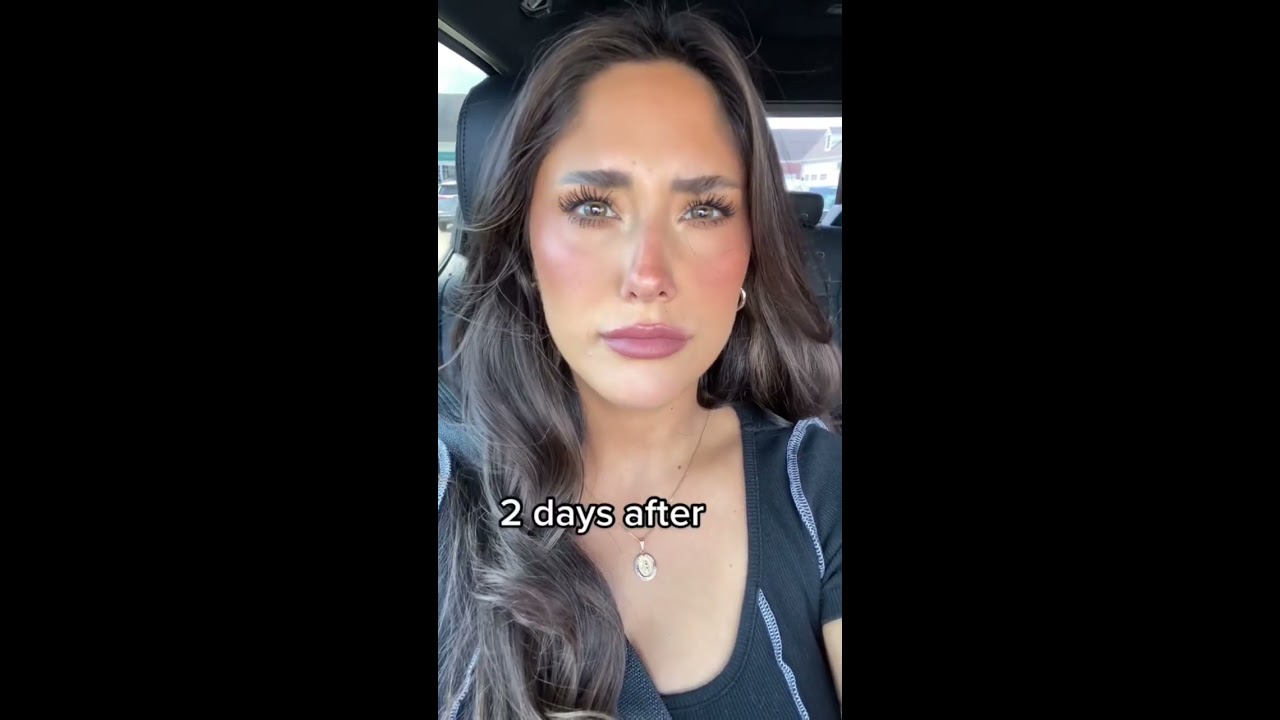
One credential you cannot see on a wall is aesthetic judgment. Some injectors specialize in a “frozen” look because that is what their clientele wants. Others pursue a natural look with subtle results and preserved expression lines that read human. Browse their work and look for signs of overcorrection: overly smoothed forehead with flat brows, lateral brow spikes, or smile lines that vanish in a way that makes the cheeks look stiff. If everything looks the same across faces, take it as a stylistic signature and ask yourself if that signature matches your taste.
How to read before and after photos without getting misled
Photos are both essential and easy to manipulate. Good clinics keep a library organized by treatment area and age range. Ask to see cases that resemble your starting point: similar brow position, similar forehead height, similar density of crow’s feet, or, for men, similar muscle bulk. Do not settle for one or two highlight reels.
Look closely at angles and lighting. If the “before” is shot under unforgiving overhead light and the “after” in soft frontal light, you are not comparing apples to apples. Skin texture and shadowing change dramatically with light direction. Chin and camera height shift the way brow position reads. Ideally, you should see standardized photos with consistent background, distance, and light. Many reputable clinics use the same chair, marks on the floor, and a fixed ring light. If a clinic can show that level of consistency, it usually reflects discipline in other parts of their process.
Timing matters too. Full results appear around two weeks. If an “after” is shot at day three, you are seeing a partial effect that may look uneven or underwhelming. If it is shot at eight weeks, the result may look perfect but does not speak to longevity. Ask for multiple afters at day 14 and at three months when possible. For masseter reduction, the most meaningful changes in jawline width often show around 8 to 12 weeks, not two.
Finally, inspect expression. Some clinics show only at-rest photos for frown lines, which hides the true effect. Dynamic views tell the story. You want to see the forehead at rest and raised, the glabella at rest and frowning, and the eyes at rest and smiling. That shows how the Botox procedure preserved or dampened expressions and whether any brow heaviness crept in.
Matching your goals to the right product and plan
Botox is a brand name, but “Botox” is often used generically to refer to several botulinum toxin type A products. Botox Cosmetic and Dysport dominate in many clinics, with Xeomin, Jeuveau, and Daxxify also in the mix. The differences feel subtle in skilled hands, yet they are not trivial. Dysport can spread a bit more, which some injectors like for larger areas such as the forehead or for masseter reduction, though that same spread can be a liability near delicate structures. Xeomin lacks complexing proteins, which some clinicians choose for patients who are concerned about neutralizing antibodies, though the clinical significance for most people is still debated. Daxxify uses a different peptide stabilizer and can last longer for some, often around 5 to 6 months in the upper face, at a higher price point.
I advise patients to choose the injector first and the product second. A clinician who knows your anatomy and tracks your responses can tailor units and placement regardless of toxin brand. If you have a history of quick fade or uneven results, share that history. If you prefer a softer look, ask about microdosing or a staged approach: lighter forehead units initially with a planned touch up. For those who want preventive care in their twenties, the aim is to reduce unnecessary repetitive folding that etches lines without flattening your personality. That is a lighter hand, fewer units, with more precise placement along the most active segments of expression lines.
Certain off-label uses deserve extra care. A lip flip can give a subtle roll of the upper lip with 4 to 8 units, but too much can make sipping through a straw tricky. Treating the depressor anguli oris to lift the corners of the mouth helps a downturned smile, yet an imprecise dose can affect speech. Chin dimpling responds well to small units into the mentalis, while masseter injections for TMJ or jawline softening require deeper placement and patience for results. Neck bands in the platysma can best morristown New Jersey botox be improved with a grid of small injections, but over-relaxation in sensitive patients may affect neck strength temporarily. These are best handled by injectors who perform them frequently and can show you a catalog of similar cases.
Pricing, units, and the real cost of “cheap”
Price structures vary. Some clinics charge per unit, which is the most transparent model. Others charge per area, which can be fine if they are clear on what an area includes and how they adapt for different foreheads and frown strengths. In many US cities, Botox price per unit ranges from roughly 11 to 20 dollars, with boutique practices at the upper end and large-volume med spas sometimes able to offer specials or discounts. Dysport is priced per unit as well, but its units are not directly interchangeable with Botox units; clinics handle conversion internally.
" width="560" height="315" frameborder="0" allowfullscreen="" >
Beware of unusually low prices. Authentic neurotoxins have a traceable chain of custody and strict storage requirements. Counterfeit product or product diluted beyond reasonable standards is not rare in markets that prioritize bargain deals. An honest clinic will tell you exactly what they are using, show the box if you ask, and explain their dilution. If a clinic is coy about the product or cannot name the brand on the syringe, walk away.
If you want to estimate cost for yourself, start with your goal dose. A light upper face treatment might total 30 to 40 units, a more durable result might be 45 to 60 units. Translate that by the clinic’s per-unit price. If a clinic quotes by area, clarify if touch ups are included and whether a heavier dose costs more. For masseter reduction, common starting totals sit around 20 to 30 units per side with Botox Cosmetic, sometimes more for larger muscles. That quickly becomes the priciest single-session area, though the duration often stretches to 6 months or longer, which changes the value calculus.
Package deals and promotions can be sensible when they align with your maintenance schedule. Be wary of packages that push you into a dose or frequency that does not match your anatomy. Loyalty programs from manufacturers can shave a bit off the cost and are legitimate. They are worth enrolling in if you plan regular visits.
Safety, risks, and what good aftercare looks like
Botox has a strong safety record when used correctly. Side effects most often include pinpoint bruising at injection sites, mild headache, or a heavy feeling over the brows during the first week. True complications such as eyelid ptosis result from diffusion into the levator muscle or from overly aggressive dosing near sensitive areas. These are uncommon and usually temporary. Still, you want a clinic that treats them like urgent matters. For ptosis, apraclonidine ophthalmic drops can help raise the lid while the toxin wears down. For brow heaviness, careful microdosing in the right antagonist points can ease the weight.
Aftercare advice should be simple and practical. Keep your head elevated for the first few hours, skip strenuous workouts for the rest of the day, avoid facials and heavy rubbing over the injected areas for at least 24 hours, and hold off on steam rooms or saunas. Makeup can go on gently after a couple of hours if there is no bleeding. None of these are hard laws, but they reduce the chance of unintended spread in the early window.
Plan your social calendar accordingly. Day three is often when some mild weirdness appears, especially for first timers. One brow might feel a bit higher, or the smile may feel unfamiliar. By day 10 to 14, things typically settle. I encourage patients to live in the result for a few days before requesting adjustments. Micro asymmetries show up under certain facial expressions that you may not notice the first day you hit peak effect. A thoughtful touch up then targets those and avoids piling on units you do not need.
Comparing Botox with fillers and with other neurotoxins
Botox smooths dynamic wrinkles. Filler restores volume and support. When a deep glabellar line is etched into the skin, relaxing the corrugators with Botox helps, but a residual groove may remain at rest. That groove belongs to filler, laser resurfacing, or micro-needling. The same goes for nasolabial folds that look deep because of cheek deflation; filler in the cheek, not Botox near the mouth, creates more natural support. Misusing Botox to solve volume problems leads to unnatural smiles and functional issues.
Between neurotoxins, results can look indistinguishable in the hands of a good injector. Personal responses vary. If you metabolize Botox quickly, trying Dysport, Xeomin, or Daxxify is reasonable. If you want longer intervals and can accept higher cost, ask about Daxxify. For those with specific preferences, be upfront. Some patients feel Dysport kicks in faster, others prefer the feel of Botox treatments for forehead lines or the way Xeomin settles in the glabella. There is no single right answer, only the right match for your face.
Units, dosage strategies, and longevity
Dose determines both effect and duration. Under-dose and you will notice quick fade or persistent lines when expressing. Over-dose and you risk flatness or heaviness. The sweet spot is personal. Experienced injectors build a dosing map for you over time. They note that 8 units across the frontalis left you lifted but a hair heavy near the brow tail, so next session they shift units superiorly or reduce the lateral points. They record that your crow’s feet soften beautifully with 10 units per side but could use 2 extra units at the inferolateral fan when you smile hard.
Longevity depends on metabolism, dose, area, and activity. Highly active muscles such as the frontalis may wear off faster for expressive people. Athletic patients with high metabolism sometimes notice shorter duration, though it is not universal. A boost of a few units at two weeks does not reset the clock, it just polishes the result. If you want longer intervals, it is better to calibrate the core dose rather than chase with late add-ons.
Avoid chasing perfection beyond reason. The aim is not to erase every microline under ring light at 6 inches. The aim is a refreshed look that reads well at conversational distance. Many of the happiest patients accept a softening of expression lines rather than absolute smoothness. Faces need movement to look alive.
First timer nerves, men’s patterns, and edge cases
First timers often worry they will not look like themselves. The risk of overdone results drops sharply with honest communication. Tell your injector what you fear. If you are a teacher who speaks with your facial expressions, say so. If you sing, mention it before a lip flip. Ask to start conservatively. You can always add at the two-week mark.
Men’s faces respond differently not just from muscle bulk but from brow shape and hairlines. Many men carry their brows lower and flatter, so aggressive forehead dosing can drag them down and shrink the visible lid. A skilled injector preserves a hint of frontalis activity centrally to keep the brow from crashing. Crow’s feet dosing for men often requires slightly higher units to tame thicker orbicularis fibers without erasing the crinkle that looks friendly rather than tired.
Edge cases deserve special counsel. Heavy upper eyelids without surgery can limit how much forehead lines will smooth comfortably, because the frontalis is compensating to hold the lids up. Over-relax that muscle and you lose your “brow lift,” which makes the eyes feel smaller. The plan there is to address the glabella and crow’s feet more and the forehead less, and to discuss blepharoplasty if lid heaviness is the core problem. Patients with long faces and high foreheads need careful point placement to avoid a high, rounded brow arch that looks surprised. Those with facial asymmetry from past Bell’s palsy benefit from tailored dosing that reduces the stronger side’s pull to restore balance.
How clinics schedule, photograph, and follow up when they run a tight ship
When a clinic runs like a professional studio, you notice small habits. They photograph you from standardized distances, label images by treatment area and date, and store them in a system that allows side by side comparisons at follow up. They log the exact units and injection sites in your chart. If you call or message week two with a concern, they can look up your map and adjust with precision, not guesswork. They schedule 15 to 20 minute reviews for new patients at day 14 and 10 minute reviews for maintenance patients when making changes.
You can also judge a clinic by what they decline. If you request treatment that is not in your best interest, a good injector will say no and explain why, then offer alternatives. If your forehead lines are etched into the dermis, you might hear, “We will soften movement now, then add fractional laser or micro-needling in a month to remodel the static lines.” That is the voice of a professional thinking long term.
Budgeting and building your rejuvenation plan
If you want predictable Botox results and a natural look, plan on two to four sessions per year for upper face maintenance. If you add masseter reduction, schedule that twice a year. If hyperhidrosis treatments for underarm sweating are on your list, those often last 4 to 6 months or more and may be seasonal. Budget not just money but calendar time. Avoid treatment within two weeks of major events if you have never tried a new pattern. If you are switching providers or products, give yourself a full cycle to evaluate how you feel about the new approach.
Coordinate Botox with other treatments. If you plan filler, most injectors prefer to relax dynamic pull with Botox first, then assess where filler is truly needed two weeks later. For resurfacing with lasers or peels, timing varies by device, though many clinics will Botox first, allow two weeks for peak, then resurface. That preserves muscle quiet during healing, which can help lines settle better.
A simple pre-appointment checklist
- Confirm credentials: licensure, medical director, and complication protocols. Review standardized before and after photos that match your anatomy and goals. Get a dose plan with unit ranges and a touch up policy in writing. Clarify product brand, dilution, and price structure per unit or per area. Book a two-week follow up, especially for a new plan or first session.
What results should feel like and how to judge success
Day one should feel uneventful. You might see tiny red dots or minuscule bumps that fade within hours. By day two or three, some areas start to feel quieter. That can be disconcerting if you have never experienced it, especially around the brow. By day seven, you are living in the new balance. At day 14, judge in good daylight with a neutral expression, then with full expressions. You want smoother forehead lines without drop, a softer “11” between the brows, and crow’s feet that crinkle less but still allow a genuine smile. If you had a lip flip, your upper lip should curl slightly more at rest without whistling when you sip.
Satisfaction is not binary. Good Botox is often invisible to others and obvious to you. Friends may say you look rested or ask about your skincare. That is the aim. If you can find a precise plan with a clinician who listens and adjusts, the process becomes straightforward: short appointments, predictable results, and minor tweaks as your face and preferences evolve. The beauty of Botox aesthetic treatment is that it is reversible by botox near me design. If you try a higher dose and feel too still, you wait it out and recalibrate next time. If you go light and want more smoothing, you add at the two-week mark and record the difference.
When to keep looking
If a consultation feels rushed, if a provider cannot articulate their plan in units and rationale, if they dodge questions about product sourcing or storage, or if their only before and after photos are filtered marketing shots, keep looking. If you feel pressured into add-ons that were not part of your goals, or if a clinic refuses to schedule a follow up, that is telling. Botox is common, but great Botox requires attention and judgment. The right match is worth a few extra calls.
The path to a reliable Botox rejuvenation plan is not complicated. Choose credentials and judgment over hype, study real photos, understand pricing and dosage, and commit to short follow ups at the two-week mark until your map is dialed in. With that foundation, Botox for face lines, forehead lines, frown lines, and crow’s feet becomes a quiet, effective part of your routine rather than a gamble.